Reviewing Christmas Gnome Ornaments Sublimation
As a designer who has spent countless hours digitizing and testing machine embroidery design files, I approach every new asset with a critical eye. It is not just about whether the image looks cute on a screen; it is about how it translates into thread, how it behaves on fabric, and whether it holds up under the scrutiny of a paying customer. Recently, I evaluated Christmas Gnome Ornaments Sublimation, a piece from the Illustrations category, to determine its viability for real-world craft business applications. This review breaks down the practical realities of using this design in your next holiday project.
First Impressions and Visual Personality
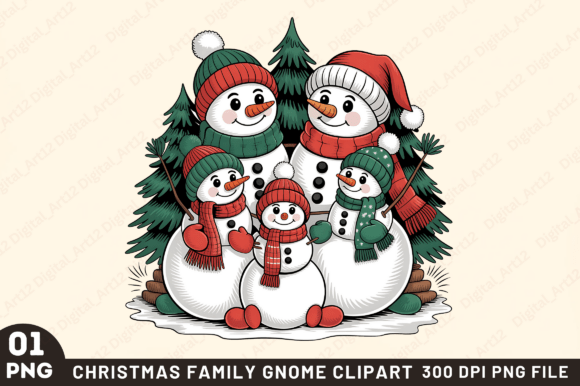
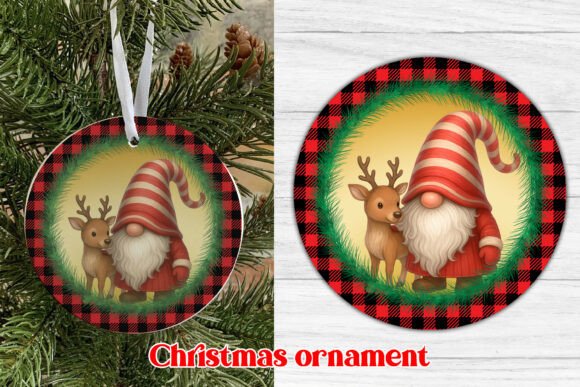
The immediate mood created by Christmas Gnome Ornaments Sublimation is whimsical yet grounded. The layout features a classic holiday gnome, but the sublimation-style aesthetic suggests a soft, blended color palette rather than harsh, blocky shapes. For an embroidery designer, this presents both an opportunity and a challenge. The visual personality is warm and inviting, making it an ideal candidate for holiday embroidery projects that aim to evoke nostalgia and comfort.
However, because the source art mimics sublimation printing, which relies on smooth gradients, we must consider how these details translate to stitch work. In a real-life scenario, I imagined applying this design to a high-quality cotton tote bag. The charm lies in the gnome’s expression and accessories, but the success of the embroidery project depends entirely on how well the digitizer has converted those soft edges into manageable stitch paths. If the detail level is too high for the chosen hoop size, the design risks becoming a muddy mess of thread rather than a crisp, recognizable character.
Real-World Application and Fabric Performance
To test the versatility of Christmas Gnome Ornaments Sublimation, I considered several common products sold by Etsy sellers and small shop owners. The design shines brightest on stable, medium-weight fabrics. For instance, a sweatshirt embroidery project would benefit from the design’s playful nature. The texture of fleece or French terry can hide minor imperfections in stitch density, making it a forgiving canvas for complex illustrations.
Conversely, using this design on a thin kitchen towel or a stretchy baby onesie requires caution. On textured fabrics like waffle weave or heavy linen, the finer details of the gnome’s beard or hat might get lost. Here, the choice of thread colors becomes critical. High contrast between the thread and the fabric background ensures that the silhouette remains clear. If you are creating a personalized gift for a client, always test the design on scrap fabric first. This simple step saves time and materials, ensuring that the finished product meets professional standards.
For those interested in custom apparel, consider the placement carefully. A centered chest placement on a t-shirt works well, but avoid placing dense areas of the design near side seams or underarms where friction occurs. The durability of the embroidery is just as important as its initial appearance. A well-digitized file will use appropriate stabilizer recommendations to prevent puckering, especially on lighter garments.
Navigating Technical Challenges
While Christmas Gnome Ornaments Sublimation is visually appealing, it demands respect for technical limitations. One major concern is stitch density. Illustrations often contain large fill areas. If the digitizer has not optimized the fill stitch patterns, the result can be stiff and heavy. This is particularly problematic for baby embroidery or items that require frequent washing. A stiff patch on a soft blanket detracts from the comfort and quality of the handmade product.
Small hoop sizes also pose a risk. If you attempt to scale the design down to fit a 4x4 inch hoop for an embroidered patch, tiny details may merge. Satin stitches that are too wide can snag, while running stitches that are too sparse may leave gaps. Always check the smallest elements of the design, such as the gnome’s eyes or buttons, to ensure they remain distinct at your intended scale. Comparing light and dark fabric backgrounds in mockups can reveal whether the design relies too heavily on subtle shading that thread cannot replicate.
Curved surfaces, such as caps or hats, require additional attention. The distortion caused by the curve can stretch the design, potentially distorting the gnome’s proportions. In these cases, simplifying the design or choosing a version with less intricate detailing might be necessary. Remember, what looks perfect on a flat digital preview may behave differently on a three-dimensional object.
Enhancing Brand Value and Customer Trust
For commercial embroidery professionals and craft entrepreneurs, the quality of your design assets directly impacts brand consistency and customer trust. Using a high-quality digital embroidery file like Christmas Gnome Ornaments Sublimation can elevate your small shop product lineup. Customers associate clean, crisp stitching with professionalism. A sloppy or poorly digitized design can undermine the perceived value of even the most expensive materials.
This design fits well within a broader holiday collection. It pairs nicely with other seasonal motifs, allowing for cohesive boutique branding. Whether you are creating printable mockup previews for your online store or producing physical inventory for craft fairs, the visual appeal of the gnome can drive buyer engagement. However, always confirm licensing terms before selling finished items. Some designers allow commercial use of the physical product but restrict the resale of the digital file itself. Clarifying these rights protects your business and respects the creator’s intellectual property.
Practical Designer Notes for Success
Before committing to a full production run, follow these practical steps to ensure the best results with Christmas Gnome Ornaments Sublimation:
- Test on Scrap Fabric: Always stitch out a sample on the exact fabric type you plan to use. This reveals issues with tension, density, and color contrast.
- Check Thread Contrast: Ensure your thread colors stand out against the fabric. Subtle gradients in the original art may need to be simplified into distinct color blocks for clarity.
- Review Stitch Density: Inspect the file for overly dense areas that could cause puckering or needle breaks. Adjust if necessary.
- Confirm Hoop Size: Make sure the design fits comfortably within your hoop, leaving adequate margin for stability.
- Use Proper Stabilizer: Match the stabilizer weight to the fabric. Cut-away stabilizers are often best for stretchy knits, while tear-away works for stable wovens.
- Verify Licensing: Double-check the license agreement to ensure you are compliant for both personal and commercial projects.
In conclusion, Christmas Gnome Ornaments Sublimation offers a charming aesthetic that, when handled with technical care, can produce stunning holiday items. By understanding the interplay between design complexity, fabric choice, and stitching technique, you can create products that delight customers and reflect the high standards of your craft business. Treat every embroidery file as a tool that requires skillful handling, and your finished products will speak for themselves.