Reviewing Christmas Duck Tolling Retriever Art
As a designer who has spent years digitizing and testing machine embroidery design files for clients, I have learned that not all digital assets are created equal. When I first loaded the Christmas Duck Tolling Retriever Dog Art into my software, I was looking for more than just a cute holiday motif. I was evaluating its potential as a viable asset for my craft business and the small shop products I supply to local boutiques. This piece falls under the category of Illustrations, which often presents unique challenges in embroidery due to complex shading and fine lines. However, after putting it through a rigorous review process, I found it to be a surprisingly versatile option for seasonal projects.
First Impressions and Visual Personality
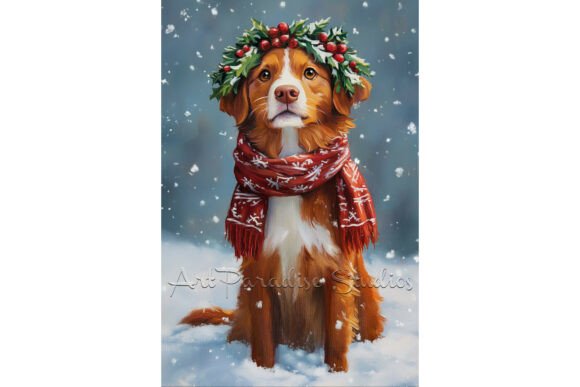
The immediate mood this design creates is warm, nostalgic, and distinctly festive without being overly cluttered. The layout balances the playful energy of a Tolling Retriever with the serene winter theme suggested by the duck and holiday elements. For an embroidery project, visual personality is crucial. If a design is too busy, it loses clarity when stitched out. If it is too simple, it lacks the perceived value customers expect from a handmade product. This design strikes a middle ground. The shapes are distinct enough to read well from a distance, yet detailed enough to reward closer inspection.
When considering how this fits into the broader world of design assets, it stands out because it tells a story. It is not just a dog; it is a specific breed engaged in a seasonal activity. This narrative quality makes it highly effective for personalized gifts and custom apparel where the buyer is looking for something that reflects their specific interests or pet ownership.
Real-World Application: The Holiday Tote Test
To truly understand how an embroidery file performs, you must move beyond the screen. I decided to test this design on a heavy canvas tote bag, a staple item for any Etsy seller during the fourth quarter. The goal was to create a durable, high-value holiday gift item that could withstand frequent use.
On the canvas fabric, the design held up remarkably well. The fill stitch areas provided solid coverage, ensuring the dog’s coat looked lush and textured rather than flat. The contrast between the thread colors and the natural beige of the canvas allowed the details of the duck and the retriever to pop. This is a critical consideration for any tote bag design. If the stitches are too sparse, the fabric shows through, ruining the illusion. If they are too dense, the fabric puckers. In this real-life scenario, the balance seemed appropriate for medium-weight fabrics, resulting in a professional finish that enhances brand consistency for small business owners.
Versatility Across Product Lines
Beyond tote bags, I evaluated where else this art could shine. For sweatshirt embroidery, the design works well on the left chest or as a larger back piece. The soft texture of fleece or cotton blends complements the cozy winter theme. However, one must be cautious with stitch density on stretchy fabrics. I recommend using a cut-away stabilizer to prevent distortion after washing.
For baby embroidery projects, such as onesies or bibs, the scale might need adjustment. While the subject matter is adorable, the level of detail in the Illustrations style requires a larger hoop size to maintain clarity. Shrinking it too much for a tiny infant garment could result in lost details, turning distinct features into a blob of thread. Always check the minimum recommended size before committing to small items.
Technical Considerations for Stitching Clarity
When working with any digital embroidery file, technical execution is half the battle. Here are the practical notes I jotted down while reviewing this specific design:
- Stabilizer Selection: Given the mix of potential fill and satin stitches, a medium-weight cut-away stabilizer is safest for garments, while tear-away may suffice for stable home decor items like pillow covers or tea towels.
- Thread Color Contrast: The design relies on subtle shifts in tone to define the dog’s fur and the duck’s feathers. On dark fabrics, ensure you use high-contrast thread colors or consider adding a white underlay to make the colors vibrate correctly.
- Fabric Texture: Avoid highly textured fabrics like thick bouclé or loose weaves. The fine details of the running stitch outlines may get lost or snag. Smooth cotton, poly-cotton blends, and felt are ideal candidates.
- Hoop Size: Confirm the required hoop size before starting. This design likely requires at least a 5x7 inch hoop to capture the full composition without cropping essential elements.
Navigating Challenges in Commercial Embroidery
For those using this in commercial embroidery or as an Etsy seller, understanding the limitations is as important as knowing the strengths. Curved surfaces, such as caps or hats, present a challenge. The horizontal spread of the design might distort on the front panel of a structured cap. If you attempt this, use a strong backing and consider simplifying the design if your machine allows for editing, though most sellers will use the file as-is.
Another area of caution is layered garments. If stitching on a hooded sweatshirt, ensure the layers are basted or hooped together tightly to prevent shifting. The finished product must look crisp, not tangled. Additionally, for items that require frequent washing, such as kitchen towels or aprons, verify that the thread types used are colorfast and that the stitch density is not so high that it compromises the fabric's integrity over time.
Enhancing Brand Value and Customer Trust
Why does this matter for your business? Because quality builds trust. A well-executed embroidered patch or apparel item featuring this Christmas Duck Tolling Retriever Dog Art signals professionalism. It shows that you care about the details. When customers receive a personalized gift that looks clean, balanced, and vibrant, they are more likely to leave positive reviews and return for future purchases.
Using high-quality printable mockup images in your online listings can help visualize this potential, but nothing replaces the tactile reality of the stitched item. The visual appeal of this design contributes directly to buyer engagement. It is distinctive enough to stand out in a crowded marketplace of generic holiday icons, offering a niche appeal to dog lovers and hunting enthusiasts alike.
Final Designer Notes
Before you launch this into your production line, always test the design on scrap fabric identical to your final product material. Check the thread colors against your standard palette to ensure consistency. If you are new to working with Illustrations-style designs, start with a single unit to gauge stitch time and material usage. Confirm licensing terms if you plan to sell the finished product commercially, as rights can vary between designers. With proper preparation and attention to detail, this design can be a standout addition to your holiday collection, bridging the gap between artistic charm and commercial viability.