Review: Christmas Pit Bull Winter Dog Snow Art
As a designer who has spent countless hours staring at digitized files and watching needles dance across fabric, I have learned that not every pretty picture translates into a quality machine embroidery design. When I first loaded the Christmas Pit Bull Winter Dog Snow Art file into my software, my initial reaction was cautious optimism. The theme is undeniably charming—combining the rugged loyalty of a Pit Bull with the soft, nostalgic warmth of a winter holiday scene. But charm alone does not stitch well. I needed to know if this Illustrations-style graphic would hold up under the tension of the hoop and the reality of commercial production.
First Impressions and Visual Personality
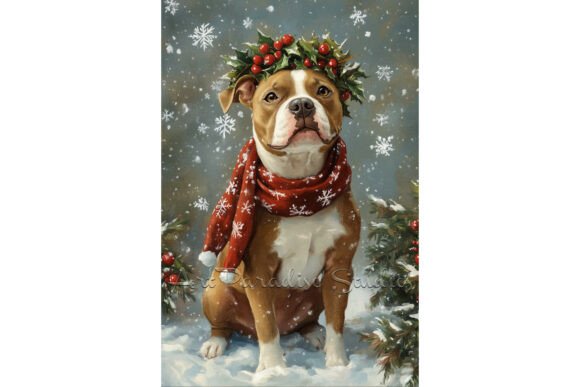
The layout of this design immediately struck me as balanced. It avoids the common pitfall of overcrowding the central subject. The Pit Bull is rendered with enough detail to capture its distinctive muscular structure and expressive eyes, yet it remains simplified enough for embroidery. This is crucial. Overly complex shading in digital art often turns into a muddy mess of thread when stitched out. Here, the transition between the dog’s coat and the surrounding snow elements feels intentional. The mood is cozy and protective, making it an ideal candidate for holiday embroidery projects that aim to evoke emotion rather than just display a logo.
For those of us selling design assets or finished goods, the visual personality here is key. It appeals to a specific niche: dog lovers who appreciate breed-specific art and want to celebrate the season without resorting to generic Santa Claus imagery. This specificity drives buyer engagement. A customer scrolling through an Etsy seller’s shop is more likely to stop for a design that speaks directly to their love for their specific pet.
Real-World Application: The Sweatshirt Test
To truly evaluate this piece, I moved beyond the screen and into the studio. My test case was a custom order for a client wanting a personalized gift for her brother, a devoted Pit Bull owner. We decided on a heavyweight cotton blend sweatshirt, a popular choice for custom apparel in the winter months. The goal was to create a personalized gift that felt premium, not like a cheap promotional item.
I placed the design on the left chest area. This positioning is critical for this type of artwork. If the design were too large, it would overwhelm the garment; too small, and the details of the dog’s face would be lost. The hoop size required was standard, but the placement demanded precision. As the machine began stitching, I watched closely how the fill stitch handled the snow effects. The density appeared moderate, which is a good sign. High-density fills can cause puckering, especially on softer fabrics like fleece or jersey knits used in sweatshirt embroidery.
The result was impressive. The thread colors popped against the heather gray fabric. The white snow elements did not disappear, thanks to the careful use of underlying stitches that provided a base. This is a detail many amateur digitizers miss. For an embroidery project intended for sale, this level of clarity builds customer trust. It shows professionalism and attention to detail, which are essential for maintaining brand consistency in a craft business.
Navigating Fabric and Technical Challenges
While the design performed beautifully on the sweatshirt, I would advise caution when applying it to other materials. For instance, using this on a tote bag design made from canvas would work well due to the fabric's stability. However, attempting this on a thin, stretchy fabric like a lightweight t-shirt or a silk scarf would be risky without proper stabilization. The stitch density, while moderate, still exerts pull on the fabric.
If you are considering this for an embroidered patch, ensure your stabilizer is cut-away rather than tear-away. Patches undergo significant handling and washing. A tear-away stabilizer might degrade over time, causing the edges of the design to fray or distort. Similarly, for baby embroidery items like onesies, you must ensure the back of the stitching is smooth. Pit Bulls have a gentle reputation among owners, and parents will want softness against sensitive skin. Covering the back with a soft fusible interfacing is a necessary step here.
Dark fabrics present another challenge. If you plan to stitch this on a navy or black garment, you cannot rely on the fabric color to define the shadows. You may need to adjust the thread colors in your software to ensure contrast. A running stitch outline might help define the edges of the snow against dark backgrounds, preventing the design from looking like a floating blob.
Commercial Viability and Product Value
From a business perspective, Christmas Pit Bull Winter Dog Snow Art has strong potential for commercial embroidery. It fits seamlessly into several product categories: holiday-themed pillow covers, kitchen towels, and even aprons for the holiday cook. The versatility of the design allows it to be marketed as both a festive item and a year-round tribute to the breed, depending on how you frame it in your printable mockup or product description.
For small shop product lines, consistency is vital. If your brand focuses on pet-centric home decor, this design aligns perfectly. It enhances the perceived value of the finished product because it looks custom-made rather than mass-produced. Buyers are willing to pay a premium for items that feel unique and tailored to their interests. This design supports that narrative.
Practical Designer Notes
Before you commit to a full production run or list this as a digital embroidery file for others to use, consider these practical steps:
- Test on Scrap Fabric: Always stitch a sample on the exact fabric type you intend to sell. Thread tension can vary wildly between cotton, polyester, and blends.
- Check Stitch Density: Inspect the file for overly dense areas. If the needle penetrates the same spot too many times, it can break threads or damage the fabric.
- Verify Licensing: If you are buying this as a digital embroidery file, confirm whether the license allows for commercial use. Some creators restrict the number of physical items you can sell.
- Contrast Check: View the design in black and white on your screen. If the details disappear, you may need to adjust thread choices for better visibility on low-contrast fabrics.
- Stabilizer Selection: Match your stabilizer to the fabric weight. Heavy fabrics need less support; light, stretchy fabrics need robust cut-away stabilizers.
In conclusion, Christmas Pit Bull Winter Dog Snow Art is a solid addition to any designer’s library. It balances artistic appeal with technical feasibility. While it requires thoughtful application regarding fabric choice and stabilization, its potential for creating engaging, high-value handmade products is significant. Whether you are an experienced Etsy seller or a hobbyist making gifts for friends, this design offers a warm, professional touch that resonates with its audience. Just remember to respect the technical limits of your machine and materials, and the results will speak for themselves.